

Improving Local Brand Visibility With Location-Based Content
Nov 3, 2026


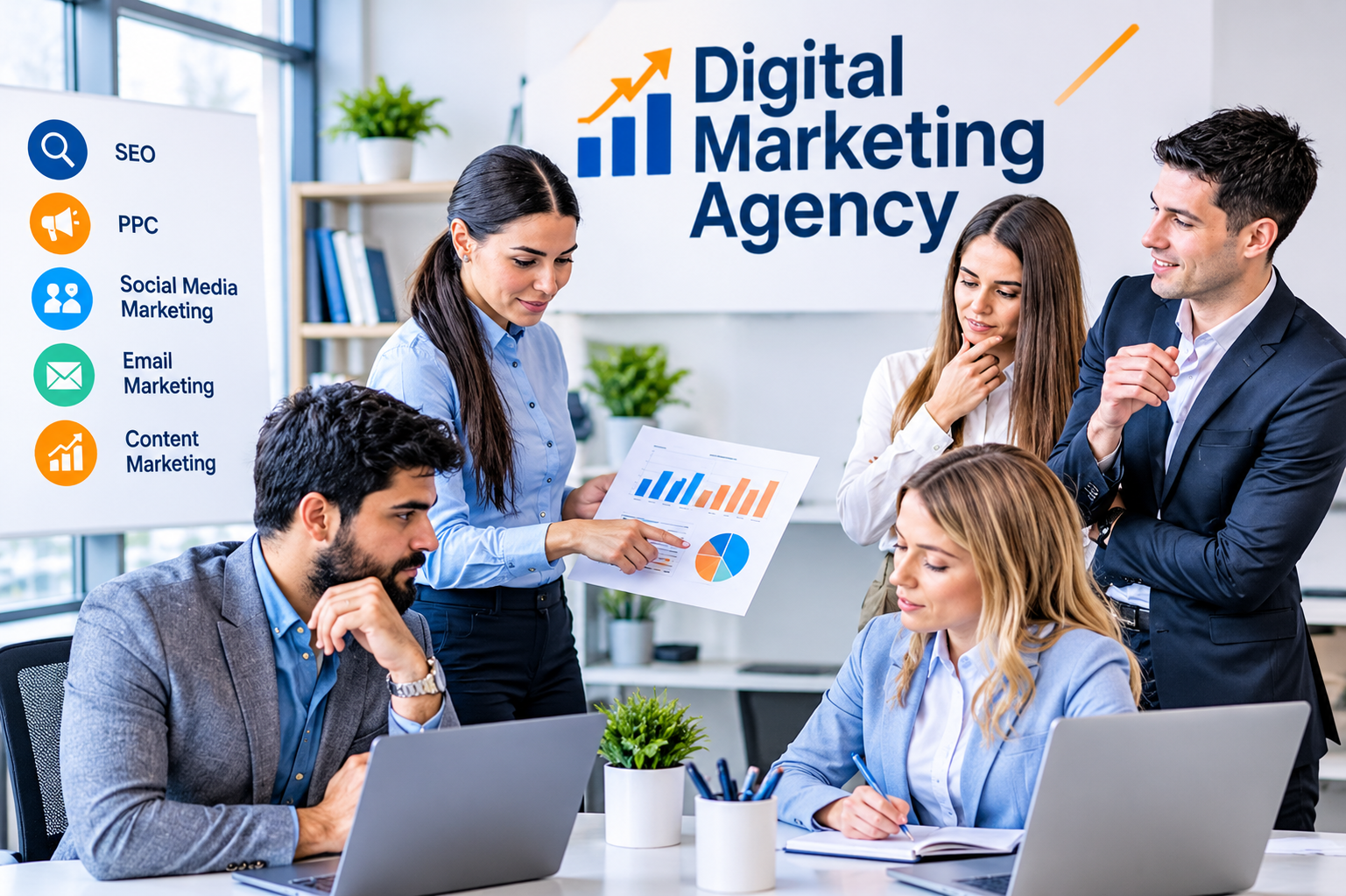
Choosing the right marketing partner is an important decision for any business looking to strengthen its online presence, attract potential customers, and achieve sustainable growth. With changing consumer behavior and increasing online competition, businesses need a clear strategy to stand out in their industries. The right partner can help you connect with your target audience, improve brand visibility, and turn marketing investments into measurable results.
However, not every agency offers the same expertise, services, or approach. Understanding your business goals and evaluating potential partners carefully can help you make an informed decision that supports long-term success.
Before comparing agencies, identify what you want to accomplish. Some businesses want to increase website traffic, while others focus on generating qualified leads, improving conversions, building brand awareness, or increasing online sales.
Create a list of your priorities and determine which marketing channels are most relevant to your objectives. For example, search engine optimization can improve organic visibility, paid advertising can attract targeted traffic, and social media marketing can strengthen customer relationships.
Having clear goals helps you choose a partner whose services align with your needs. It also makes it easier to measure progress and evaluate whether your marketing strategy is delivering value.
Experience can provide valuable insight into an agency’s ability to handle different marketing challenges. Review its portfolio, previous campaigns, client testimonials, and case studies to understand the quality of its work.
Look for evidence of measurable improvements, such as increased organic traffic, stronger lead generation, improved conversion rates, or better campaign efficiency. Although previous results cannot guarantee future performance, they can demonstrate an agency’s approach to problem-solving and strategy development.
A reliable Digital Marketing Agency should also understand your audience, business model, competitive landscape, and industry-specific challenges. Ask how the team would approach your particular goals instead of relying solely on general success stories.
Businesses often need multiple marketing channels working together to achieve consistent results. When evaluating potential partners, consider whether they offer the services required to support your current objectives and future expansion.
Important services may include:
Search engine optimization (SEO): Improving website visibility in relevant search results.
Pay-per-click advertising (PPC): Reaching targeted audiences through paid search and display campaigns.
Content marketing: Creating useful articles, landing pages, and resources that answer customer questions.
Social media marketing: Building engagement and strengthening brand recognition.
Website design and optimization: Improving usability, loading speed, and conversion opportunities.
Analytics and reporting: Measuring performance and identifying opportunities for improvement.
A coordinated approach helps maintain consistent messaging across channels. Explore the services offered by a Digital Marketing Agency that supports business growth to understand how an integrated marketing strategy can strengthen your online presence.
Effective communication is essential for a successful agency relationship. You should understand what the team is working on, why specific strategies are being implemented, and how results will be evaluated.
During initial discussions, ask about communication frequency, reporting methods, project timelines, and the people responsible for managing your account. Find out whether you will receive a dedicated point of contact and how the team handles unexpected challenges.
A trustworthy agency explains its recommendations clearly and provides realistic expectations. Be cautious of providers that promise guaranteed rankings, instant success, or unusually high returns without understanding your business.
Regular updates and honest conversations help both parties stay aligned and make better decisions throughout the campaign.
Marketing costs vary depending on the services required, campaign complexity, competition, and business objectives. Some agencies charge monthly retainers, while others use project-based pricing or management fees.
Instead of choosing the cheapest option, compare the value each provider offers. Review the scope of work, deliverables, reporting arrangements, contract terms, and any additional costs that may arise.
Ask how the agency will allocate your budget and determine whether the proposed activities support your goals. A well-planned strategy should balance affordability with quality and measurable outcomes.
It is also important to understand that sustainable results may take time. Organic search growth, customer trust, and brand recognition usually require consistent effort rather than a single campaign.
Successful marketing requires continuous measurement and improvement. A capable agency uses analytics to understand customer behavior, assess campaign performance, and identify opportunities to increase efficiency.
Ask which key performance indicators it tracks and how those metrics connect to your business objectives. Depending on your goals, useful measurements may include qualified leads, conversion rates, customer acquisition costs, return on advertising spend, and organic traffic.
The right Digital Marketing Agency will use these insights to refine targeting, improve content, test landing pages, and adjust budgets where necessary. Data should inform strategic decisions rather than simply appear in monthly reports.
Your business needs may change as your company grows, enters new markets, or introduces new products. Choose an agency that can adapt its strategy as those needs evolve.
Discuss how the team responds to market changes, tests new approaches, and incorporates emerging technologies. It is equally important to establish clear expectations about ownership of website content, advertising accounts, analytics data, and other marketing assets.
A productive partnership should feel collaborative. Your agency should understand your priorities, welcome constructive feedback, and help you make informed decisions rather than offering a one-size-fits-all solution.
Choosing the right marketing partner requires careful research, clear objectives, and a realistic understanding of your business needs. By assessing experience, reviewing services, comparing pricing, prioritizing communication, and examining performance measurement practices, you can find a team that supports your long-term goals.
The best partnership combines strategic thinking, consistent execution, and transparent reporting. Take time to compare your options, ask meaningful questions, and select a provider that understands your vision. If you are ready to discuss your business objectives and explore suitable marketing solutions, connect with a Digital Marketing Agency to discuss your requirements.
How do I choose the best digital marketing partner for my business?
Start by defining your goals, budget, and target audience. Compare agency experience, service offerings, client reviews, communication practices, and reporting methods before making a decision.
What services should a business look for in a marketing agency?
Common services include SEO, PPC advertising, content marketing, social media management, website optimization, and analytics. The right combination depends on your business objectives and audience.
How much does hiring a digital marketing agency cost?
Costs depend on the scope of services, campaign complexity, competition, and contract structure. Request a detailed proposal that explains deliverables, fees, timelines, and additional expenses.
How long does it take to see marketing results?
Paid campaigns may generate traffic shortly after launch, while SEO and content marketing often require several months to produce meaningful improvements. Results vary according to competition, budget, execution, and market conditions.
How can I measure an agency’s performance?
Evaluate performance using relevant metrics such as qualified leads, conversion rates, organic traffic, customer acquisition costs, and return on advertising spend. Review these indicators regularly to determine whether your marketing activities are meeting business objectives.