

Choosing the Right Digital Marketing Agency for Your Business
Nov 3, 2026


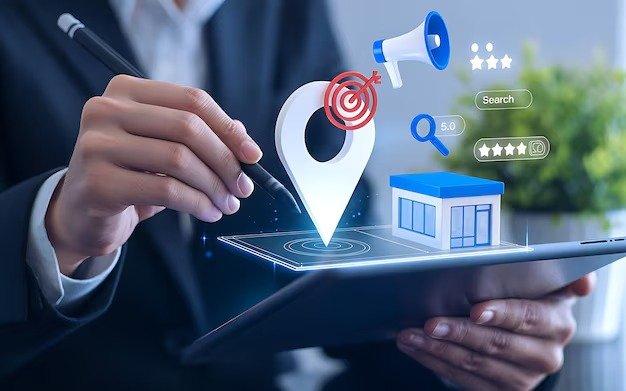
Local customers often search online for products, services, and businesses near them. Whether they need a nearby restaurant, a reliable service provider, or a specialized local business, they usually want relevant information that helps them make confident decisions. For businesses serving specific locations, creating useful location-based content is an effective way to improve online visibility, connect with nearby audiences, and attract potential customers.
Location-based content focuses on the needs, interests, and search behavior of people in a particular geographic area. Instead of publishing generic information for everyone, businesses can develop content that reflects local preferences, community events, regional challenges, and service availability. This approach makes a brand more relevant to its audience while supporting local search engine optimization (SEO).
With a well-planned content strategy, businesses can strengthen their local presence, build trust, and turn online discovery into meaningful customer relationships.
Location-based content marketing involves creating and optimizing digital content for a specific city, neighborhood, region, or service area. It helps businesses connect their offerings with the needs of people searching in those locations.
For example, a home improvement company might publish a guide to preparing homes for seasonal weather in its service area. A fitness studio could create content about local wellness events, while a marketing consultancy might share insights about challenges facing small businesses in a particular city.
A Digital Marketing Agency can help businesses identify relevant geographic keywords, understand local audience preferences, and develop content that supports their visibility goals.
The objective is not simply to mention a city repeatedly. Effective location-based content provides useful information that genuinely relates to the people and places being targeted.
The first step in improving local visibility is understanding what nearby customers are searching for. People often use location-specific phrases when they want a product or service that is accessible in their area.
These searches may include terms such as service names combined with a city, neighborhood, or phrase like “near me.” Search intent can also involve local questions, pricing information, availability, and comparisons between providers.
Businesses can research local search opportunities using keyword research tools, customer inquiries, website analytics, and Google Business Profile performance data.
Focus on identifying:
This research helps businesses produce content that aligns with customer needs rather than relying on assumptions.
Location-specific landing pages can help businesses explain their services to customers in different geographic areas. These pages are especially valuable for companies serving multiple cities or operating from several locations.
Each page should include meaningful local information, relevant services, clear contact details, and practical benefits for customers in that area. Where appropriate, businesses can also include genuine customer testimonials, project examples, photographs, or details about local service coverage.
Avoid creating multiple pages that differ only by city name. Search engines and users benefit more from original content that addresses the needs of each location.
For example, a business serving different regions could explain local delivery options, service availability, regional regulations, or location-specific customer challenges on the relevant page.
Businesses can also consult a Digital Marketing Agency for strategic local content planning to build a consistent approach to location-based landing pages and search optimization.
A well-maintained Google Business Profile can support local discovery by helping potential customers find accurate business information through Google Search and Maps.
Ensure that your business name, address, phone number, website, operating hours, and service categories are accurate. Businesses that travel to customers should configure their service areas appropriately rather than presenting an inaccurate storefront address.
Regularly update your profile with relevant photographs, service information, announcements, and other available features. Encourage genuine customer reviews and respond professionally to feedback.
Although location-based content and a Google Business Profile serve different purposes, they work well together. Your website can provide detailed information, while your profile helps customers discover essential business details and take the next step.
Community-focused content helps businesses become more relevant to local audiences. It also creates opportunities to develop original material that reflects genuine knowledge of the area.
Consider publishing articles about local events, seasonal needs, neighborhood developments, community initiatives, or regional industry trends. A landscaping company might discuss plants suited to the local climate, while a retailer could create a guide to preparing for a popular community festival.
The key is relevance. Local references should provide value rather than exist solely to insert geographic keywords.
Businesses can also collaborate with community organizations, participate in local events, and share authentic stories about their involvement. These activities can strengthen brand recognition and encourage meaningful engagement.
Local keyword optimization helps search engines understand the geographic relevance of your content. However, adding location names excessively can make content difficult to read and reduce its usefulness.
Use geographic terms naturally in page titles, headings, meta descriptions, URLs, and body content when they accurately describe the page. Include related service terms and answer questions that local customers are likely to ask.
For example, an article about choosing a plumbing service could discuss emergency availability, common regional plumbing concerns, and factors to consider when comparing providers in the target area.
A Digital Marketing Agency can support this process by researching search demand, mapping keywords to appropriate pages, and monitoring whether the content attracts relevant local visitors.
Customers often feel more confident choosing businesses that demonstrate experience and understand their community. Genuine customer stories can help establish that credibility.
Publish case studies describing real projects, the challenges involved, the solutions provided, and the outcomes achieved. Include the relevant location when the customer has consented and the information is appropriate to share.
Customer testimonials, local partnerships, and examples of completed work can also demonstrate reliability. Ensure that reviews and claims are authentic, permissions are respected, and results are presented accurately.
These trust signals complement location-based content by showing potential customers how your business serves people with needs similar to their own.
Publishing content on your website is only one part of an effective local marketing strategy. Sharing useful material through relevant channels can help it reach a wider audience.
Businesses can distribute location-specific articles through social media, email newsletters, local business communities, and appropriate industry directories. Partnerships with relevant local organizations may also create opportunities for collaborative content.
Choose channels based on where your target customers spend time. A business-to-business provider may benefit from professional networks and industry associations, while a neighborhood retailer may gain more value from local social media communities.
Maintain consistent business information across online listings, and avoid low-quality directory submissions or irrelevant promotional activity.
A successful location-based strategy requires ongoing evaluation. Tracking results helps businesses understand which pages attract relevant visitors and which activities contribute to leads or sales.
Monitor metrics such as:
Use tools such as Google Analytics and Google Search Console to assess website performance, alongside available business profile insights. Where possible, connect marketing data with actual sales outcomes.
A Digital Marketing Agency can help interpret these results, identify underperforming pages, and refine the strategy based on customer behavior and business priorities.
Improving local brand visibility requires more than adding city names to website content. Businesses need to understand local search intent, create useful location-specific pages, maintain accurate business information, and demonstrate genuine knowledge of the communities they serve.
When combined with local SEO, customer stories, community engagement, and performance tracking, location-based content can help businesses attract relevant audiences and build lasting trust.
A consistent strategy also makes it easier to identify new opportunities as customer needs and local search behavior change. Businesses that focus on relevance, accuracy, and genuine value are better positioned to strengthen their presence in competitive local markets.
What is location-based content in digital marketing?
Location-based content is website or marketing material tailored to a specific geographic area. It may include local landing pages, regional guides, community updates, and information about services available in particular locations.
How does location-based content improve local SEO?
It helps search engines understand the geographic relevance of a page and provides useful information for local searchers. When combined with accurate business information and a strong website experience, it can support better local visibility.
How often should businesses publish local content?
There is no fixed publishing frequency. Businesses should prioritize useful, accurate content and maintain a sustainable schedule based on customer needs, available resources, and opportunities in their market.
Should a business create a separate page for every location?
Only when each page can provide meaningful, location-specific value. Pages with nearly identical content and swapped city names offer little benefit to customers and may create SEO problems.
What types of businesses benefit from location-based content?
Local retailers, restaurants, healthcare providers, home service companies, professional firms, educational institutions, and multi-location businesses can all benefit when their customers search for services in specific geographic areas.
How can businesses measure the success of local content?
Track local organic traffic, search impressions, website conversions, phone calls, direction requests, qualified leads, and sales. Evaluating these metrics together provides a clearer understanding of whether the strategy supports business growth.