Category: Uncategorized

  • How Does a Digital Marketing Agency Drive Consistent Business Growth?

    How Does a Digital Marketing Agency Drive Consistent Business Growth?

    As a business owner, I’ve often wondered why some companies seem to grow effortlessly while others struggle to gain traction. One of the best decisions I made was partnering with a full-service digital marketing agency that specializes in driving measurable growth. Working with professionals completely changed the way I approached marketing and helped my business achieve consistent results. Here’s how a digital marketing agency can make such a difference.

    Understanding Your Business and Audience

    Before I started working with an agency, my marketing was scattered. Social media posts were inconsistent, website traffic was unpredictable, and I didn’t have a clear strategy to reach the right audience. My agency began by analyzing my business, my customers, and even my competitors. This level of insight provided clarity, highlighting opportunities for growth and identifying areas that needed improvement. That initial understanding became the foundation for every marketing decision we made afterward.

    Expertise Across Multiple Channels

    One of the biggest advantages of working with a professional agency is their expertise in multiple marketing channels. I learned how an experienced digital marketing agency can integrate SEO, PPC, social media, and content marketing into a cohesive strategy. Previously, I tried managing these separately, but the results were inconsistent. The agency optimized my website, developed content tailored to my audience, and ran targeted ad campaigns. This integrated approach boosted my online presence and consistently generated high-quality leads.

    Data-Driven Decisions

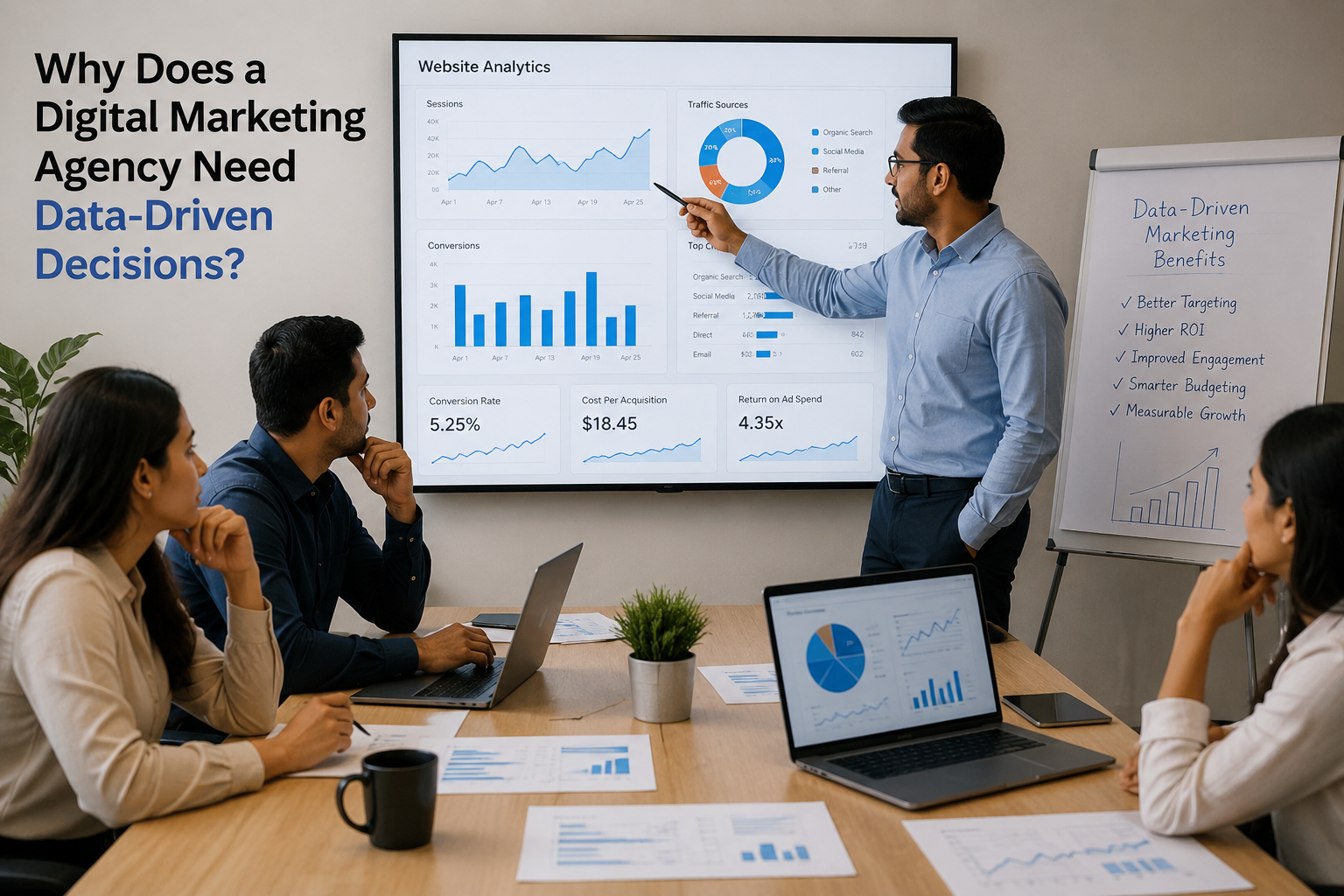
    I used to think marketing was mainly about creative ideas, but my agency showed me the power of data. They provided detailed analytics, tracking everything from website traffic sources to conversion rates. This transparency helped me understand what was working and what needed adjustment. By relying on data, I could make informed decisions that maximized ROI rather than spending resources on campaigns that didn’t deliver results.

    Consistency is Key

    Marketing isn’t a one-time effort—it’s an ongoing process. My agency ensured that my brand message was consistent across all channels, from emails to social media posts. They also stayed ahead of industry trends and algorithm changes, adapting strategies to maintain performance. This consistent approach helped my business grow steadily rather than in short bursts, which I now realize is critical for long-term success.

    Creativity That Engages

    While data guides strategy, creativity drives engagement. My agency helped me create compelling content that spoke to my audience’s interests. Blog posts, videos, social media campaigns—each piece was designed to connect with potential customers, build trust, and drive conversions. Combining creative storytelling with data insights proved far more effective than posting content randomly or without purpose.

    Personalized Marketing

    Another game-changer was personalization. Using advanced marketing tools, the agency segmented my audience and delivered messages that were highly relevant. Personalized emails, retargeting ads, and tailored content made customers feel valued and more likely to take action. This level of detail directly impacted engagement and sales, showing me that personalization isn’t just a buzzword—it’s a growth strategy.

    Strategic Guidance and Support

    A great agency isn’t just an executor—they’re a trusted advisor. My agency educated me on trends, suggested opportunities I hadn’t considered, and provided insights into customer behavior. Their guidance went beyond marketing, helping me make smarter business decisions overall. I realized that growth isn’t just about reaching more people—it’s about reaching the right people in the right way.

    Final Thoughts

    In my experience, a digital marketing agency drives consistent business growth through strategic planning, cross-channel expertise, data-driven insights, consistent engagement, creative campaigns, personalized messaging, and ongoing support. Partnering with the right agency turned marketing from a guessing game into a predictable and manageable process.

    If you’re ready to take your business to the next level, I encourage you to contact us to discuss how a tailored digital marketing strategy can help your business grow. For me, working with a professional agency was one of the best decisions I’ve made—it brought steady leads, stronger brand recognition, and measurable results. Growth is no longer random; it’s intentional, consistent, and achievable.

  • How Do Digital Marketing Agencies Measure Campaign ROI Effectively?

    How Do Digital Marketing Agencies Measure Campaign ROI Effectively?

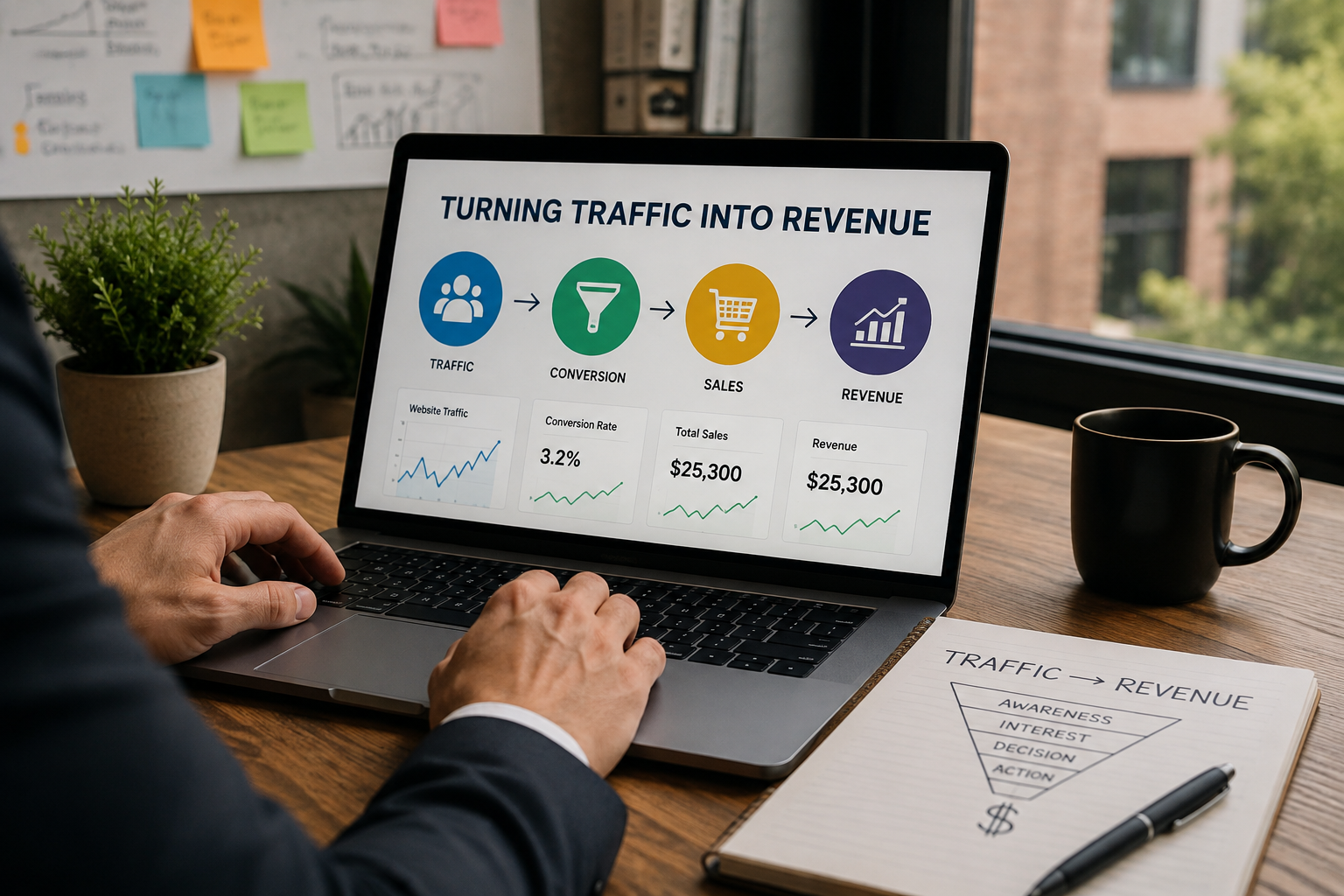
    When I speak with business owners about digital marketing, the biggest concern I hear is this: “How can I be sure my marketing spend is actually delivering results?” Likes, clicks, and impressions look good on reports, but they don’t automatically translate into revenue. That’s why return on investment (ROI) is the true measure of success. Measuring ROI effectively means connecting marketing activities directly to business growth, not just surface-level engagement.

    Setting Clear and Measurable Campaign Goals

    Accurate ROI measurement always starts with well-defined goals. Before any campaign goes live, I make sure the objective is specific and measurable. The goal might be generating qualified leads, increasing e-commerce sales, driving app installs, or improving brand visibility.

    Each objective requires its own performance indicators. Lead generation campaigns focus on cost per lead, while sales-driven campaigns emphasize revenue and return on ad spend. Without clear goals, ROI becomes unclear. With them, every result has meaning and direction.

    Assigning Financial Value to Conversions

    Not every user action has the same value. A website visit, a form submission, and a completed purchase represent different levels of intent. Digital marketing agencies measure ROI by assigning an estimated monetary value to each meaningful conversion.

    For instance, if historical data shows that 10% of leads convert into customers and the average customer value is known, agencies can calculate the approximate value of a single lead. This approach turns engagement metrics into financial insights, making ROI easier to calculate and optimize.

    Tracking Performance Metrics That Drive Revenue

    One common mistake I see is tracking too many metrics without understanding their impact. Effective ROI measurement focuses on metrics that directly influence profitability, such as cost per acquisition, conversion rate, customer lifetime value, and return on ad spend.

    While impressions and likes may support awareness, they don’t always reflect business impact. ROI-focused tracking prioritizes outcomes over appearances and keeps attention on what truly drives revenue.

    Leveraging Analytics Tools and Attribution Models

    Reliable data is essential for accurate ROI measurement. Agencies rely on analytics platforms, CRM systems, ad dashboards, and call-tracking tools to monitor the full customer journey from first interaction to final conversion.

    Attribution models play a crucial role here. Customers often engage with multiple channels before converting. Instead of crediting a single touchpoint, agencies use multi-touch attribution to understand how each interaction contributes to results. This provides a more realistic view of campaign performance.

    Benchmarking Results Against Industry Standards

    ROI becomes more meaningful when results are compared against benchmarks. Digital marketing agencies analyze campaign performance by reviewing historical data, industry averages, and projected outcomes. This comparison helps determine whether results are exceptional or need improvement.

    Benchmarking also supports smarter budget decisions and strategy refinement. This analytical approach is a defining characteristic of a results-focused Digital Marketing Agency that emphasizes measurable growth and accountability rather than guesswork.

    Optimizing Campaigns for Better ROI Over Time

    Measuring ROI isn’t something agencies do only after a campaign ends. The most effective teams monitor performance continuously and optimize campaigns while they are still running. Underperforming ads are adjusted, budgets are reallocated, and high-converting pages receive more traffic.

    This ongoing optimization minimizes wasted spend and steadily improves ROI. Businesses that partner with a data-driven Digital Marketing Agency specializing in ROI-focused campaign optimization benefit from strategies that evolve based on real-time performance.

    Presenting Clear and Actionable ROI Reports

    Even the best data is useless if it isn’t understandable. Agencies that measure ROI effectively focus on clear reporting that explains what the numbers mean for the business. Reports highlight revenue generated, cost efficiency, and opportunities for improvement.

    Clear reporting builds trust and helps businesses view marketing as an investment rather than an expense. It also ensures future campaigns are guided by insights, not assumptions.

    Connecting Marketing ROI to Long-Term Business Growth

    Ultimately, ROI measurement goes beyond short-term wins. It reveals how marketing supports long-term growth, customer retention, and profitability. When ROI is tracked correctly, marketing decisions become strategic and predictable.

    If you’re ready to move beyond vanity metrics and focus on real, measurable business impact, Contact Us to discuss ROI-driven digital marketing strategies that deliver sustainable growth and start building campaigns you can confidently measure.

  • How Can Digital Marketing Improve Lead Quality and Conversion Rates?

    How Can Digital Marketing Improve Lead Quality and Conversion Rates?

    For a long time, I believed digital marketing was mainly about traffic—more clicks, more impressions, more eyeballs. But experience taught me something far more important: traffic means nothing if the leads aren’t qualified or ready to convert. Digital marketing, when done strategically, doesn’t just increase volume. It improves lead quality and boosts conversion rates in ways that traditional marketing never could.

    Here’s how I’ve seen digital marketing transform random visitors into high-intent prospects—and how you can do the same.

    Understanding Lead Quality Before Chasing Conversions

    High-quality leads are people who actually need what you offer, understand its value, and are closer to making a decision. Digital marketing improves lead quality by allowing precise targeting. Instead of broadcasting the same message to everyone, I can segment audiences by intent, behavior, location, device, and even stage in the buyer’s journey.

    For example, someone reading a comparison blog or searching for pricing information is far more valuable than someone casually browsing. Digital marketing tools let me identify, attract, and nurture these users with laser-focused messaging.

    Targeting the Right Audience at the Right Time

    One of the biggest reasons digital marketing works is intent-based targeting. Search engines, social platforms, and analytics tools reveal what people are actively looking for. When I align campaigns with high-intent keywords, retarget website visitors, or create ads based on past behavior, I naturally attract better leads.

    This is where working with an experienced full-service digital marketing agency that drives measurable results can make a real difference. Strategic audience research ensures that marketing spend goes toward users who are most likely to convert—not just those who click.

    Content That Pre-Qualifies Leads Automatically

    Content marketing plays a massive role in improving lead quality. I’ve learned that educational content doesn’t just attract visitors—it filters them. Blog posts, guides, case studies, and videos answer questions that serious buyers ask before making decisions.

    When someone consumes in-depth content, they self-qualify. They invest time, learn about the problem, and understand the solution before ever filling out a form. By the time they convert, they’re already warmed up and informed—making sales conversations faster and more effective.

    Landing Pages Designed for Conversions, Not Traffic

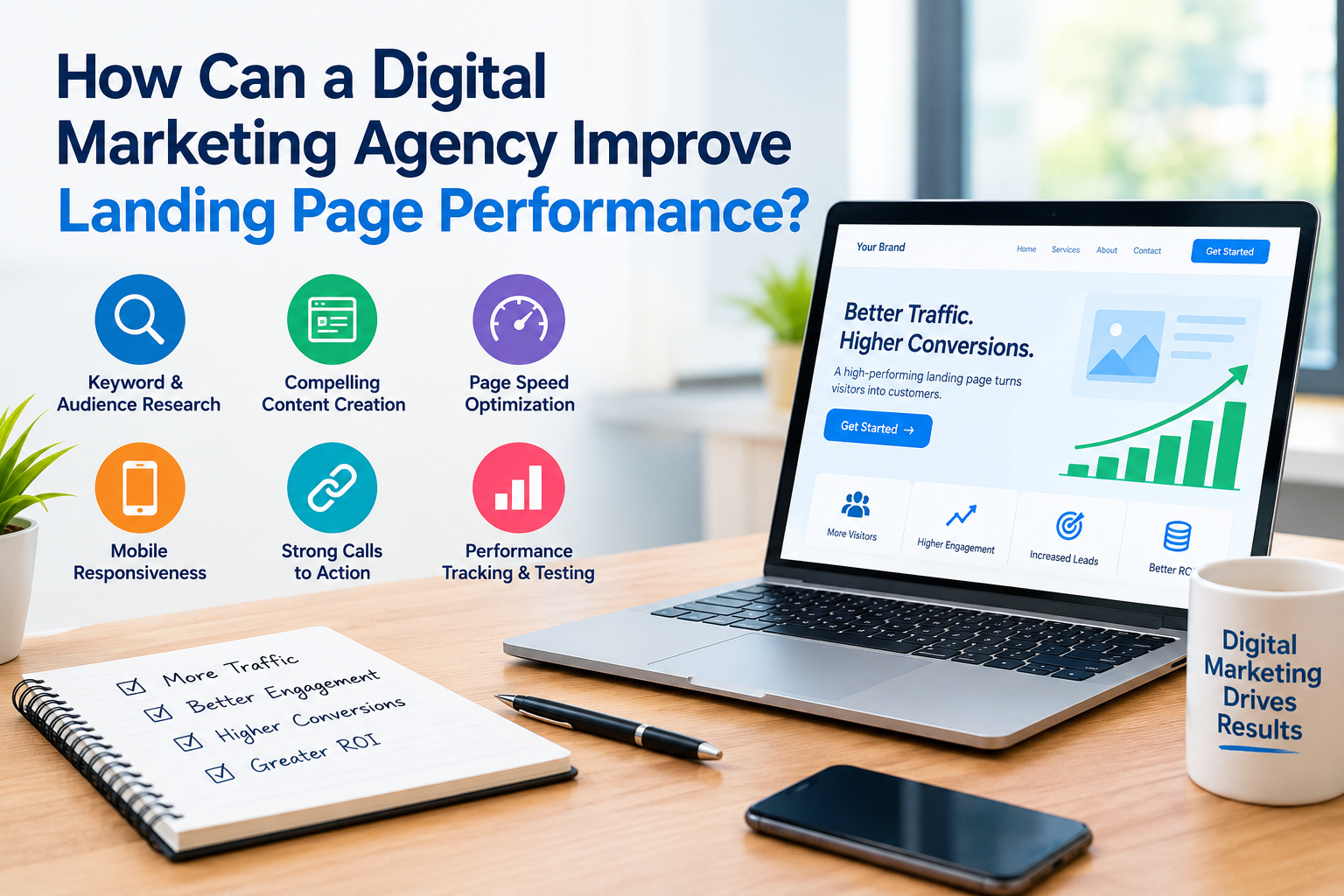
    Sending traffic to generic pages is one of the most common conversion killers I’ve seen. Digital marketing improves conversion rates by allowing custom landing pages for specific campaigns, audiences, and offers.

    High-converting landing pages remove distractions, focus on one clear message, and guide users toward a single action. Clear headlines, social proof, benefit-driven copy, and strong calls to action all work together to turn qualified visitors into leads.

    Even small changes—like improving page speed, simplifying forms, or adjusting CTA placement—can dramatically increase conversion rates when guided by analytics.

    Using Data to Optimize What Actually Works

    What sets digital marketing apart is measurability. I don’t have to guess what’s working. I can track clicks, scroll depth, conversion paths, and drop-off points in real time. This data allows continuous optimization.

    When I analyze which channels bring the highest-quality leads—not just the most traffic—I can double down on what converts. Over time, campaigns become more efficient, cost per lead drops, and conversion rates rise.

    This ongoing optimization is something a results-focused digital marketing agency that specializes in analytics-driven growth excels at—using insights, not assumptions, to drive smarter decisions.

    Lead Nurturing That Builds Trust Before the Sale

    Not every lead is ready to convert immediately, and that’s okay. Digital marketing allows me to nurture leads through email sequences, remarketing ads, and personalized content until they’re ready to take the next step.

    Automated workflows ensure prospects receive the right message at the right time—whether that’s a follow-up email, a testimonial, or a reminder offer. This consistent engagement builds trust, keeps brands top of mind, and significantly improves conversion rates over time.

    Improving Conversion Rates Through Personalization

    Personalization is no longer optional. Digital marketing tools let me customize experiences based on user behavior, location, device, and preferences. When people see content that feels relevant, they’re more likely to engage and convert.

    From dynamic website content to tailored email campaigns, personalization makes prospects feel understood rather than sold to. And that emotional connection plays a major role in decision-making.

    Turning Marketing Into a Predictable Growth Engine

    When digital marketing is aligned with business goals, lead quality and conversion rates improve together. Better targeting brings better leads. Better content builds trust. Better data drives better decisions.

    If you’re serious about attracting leads that actually convert—and turning marketing into a predictable growth system—it’s time to take action. Reach out to our team today to discuss your strategy and contact us to start building campaigns that focus on quality, not just quantity.

    Digital marketing isn’t about doing more. It’s about doing what works—consistently, strategically, and intelligently.

  • Which Metrics Truly Measure Marketing ROI for Real Business Growth?

    Which Metrics Truly Measure Marketing ROI for Real Business Growth?

    As someone deeply involved in marketing strategy, I’ve learned that tracking ROI isn’t just about counting clicks or impressions—it’s about understanding which metrics actually drive tangible growth. Many businesses invest heavily in campaigns but fail to connect the dots between marketing activities and real revenue. Over the years, I’ve discovered that focusing on a few key metrics can transform how you evaluate your marketing success.

    When I first started analyzing campaigns, I used to rely heavily on vanity metrics like social media likes, page views, and email open rates. At first glance, these numbers felt impressive—but they rarely translated into measurable business growth. It took a while before I realized that not all metrics are created equal. True marketing ROI comes from metrics that directly influence revenue, customer retention, and long-term brand value.

    Customer Acquisition Cost (CAC)

    One of the first metrics I track is Customer Acquisition Cost (CAC). CAC calculates the total cost of acquiring a new customer, including marketing spend, sales efforts, and technology tools. By dividing the total cost by the number of new customers acquired, I get a clear picture of how efficiently my campaigns are performing.

    For example, if I spend $10,000 on a campaign that brings in 50 new customers, my CAC is $200 per customer. Comparing this with the average revenue per customer tells me whether the campaign is financially sustainable. High CAC is a red flag, signaling that I need to optimize targeting, messaging, or channel selection.

    Customer Lifetime Value (CLV)

    Closely tied to CAC is Customer Lifetime Value (CLV). While CAC shows the cost of acquiring a customer, CLV measures the long-term revenue a customer generates. Tracking this metric has been a game-changer for my marketing strategy. When I focus on campaigns that attract high-CLV customers, even higher CAC can be justified because the long-term returns outweigh initial costs.

    Understanding CLV has helped me shift campaigns toward customer retention strategies—like personalized email sequences, loyalty programs, and upsell offers—which in turn increases marketing ROI without necessarily increasing spend.

    Conversion Rate by Channel

    Knowing how many people visit my website is one thing; knowing how many actually convert into paying customers is another. I always segment conversion rates by marketing channel—organic search, paid ads, email campaigns, or social media.

    For instance, one of my campaigns with our Digital Marketing Agency showed high traffic from paid ads but low conversion rates. By analyzing the conversion data, we discovered that the landing page needed a stronger call-to-action and clearer value proposition. After making adjustments, conversion rates doubled, proving that traffic alone isn’t enough.

    Return on Ad Spend (ROAS)

    For businesses investing in paid advertising, ROAS is crucial. It tells me how much revenue each dollar spent on ads generates. Unlike general ROI metrics, ROAS is more immediate and actionable. I calculate it by dividing revenue generated from ads by the amount spent.

    Tracking ROAS has allowed me to allocate budgets effectively. I can identify which campaigns are delivering a strong return and which need optimization or discontinuation. Over time, this ensures that marketing dollars are consistently fueling growth rather than just generating noise.

    Engagement Metrics That Matter

    Engagement metrics aren’t vanity metrics when they are tied to behavior that leads to conversions. Metrics like email click-through rates, webinar attendance, or content downloads indicate active interest. When I combine these with lead scoring, I can prioritize the most promising prospects for follow-up.

    For example, a lead who downloads multiple eBooks and attends webinars is more likely to convert than someone who simply opens marketing emails. By focusing on meaningful engagement, I ensure that our campaigns are nurturing leads rather than just generating superficial numbers.

    Attribution and Multi-Touch Analysis

    One of the biggest mistakes I see businesses make is assuming that a single channel drives all conversions. Multi-touch attribution helps me understand how different touchpoints contribute to the customer journey. This metric shows me which campaigns initiate interest, which nurture leads, and which close sales.

    For instance, implementing an attribution model revealed that organic search was driving initial awareness, but paid social ads were driving conversions. Working with a Digital Marketing Agency in this process gave me the expertise and tools to adjust budgets and messaging effectively, optimizing ROI across channels.

    Lead Quality over Quantity

    I’ve learned that more leads don’t always mean more growth. Lead quality is far more important. High-quality leads convert faster, stay longer, and contribute more to revenue. I measure lead quality through engagement scores, demographics, and buying intent.

    By prioritizing lead quality, I’ve seen campaigns become more efficient, cutting down wasted spend and increasing overall ROI.

    Final Thoughts

    Measuring marketing ROI isn’t just about numbers—it’s about identifying metrics that directly impact business growth. CAC, CLV, conversion rates, ROAS, engagement metrics, attribution models, and lead quality together create a holistic view of performance. By tracking these, I’ve been able to make data-driven decisions that genuinely move the needle.

    If you’re looking to elevate your marketing strategy and track metrics that actually matter, don’t hesitate to Contact Us to start optimizing your campaigns for real business growth.

  • What Makes a Social Media Campaign Go Viral and Engage Audiences?

    What Makes a Social Media Campaign Go Viral and Engage Audiences?

    As someone who has spent years navigating the ever-changing world of social media, I’ve realized that virality is more than just luck. It’s the result of careful strategy, creativity, and a deep understanding of audience behavior. Over time, I’ve learned that crafting a social media campaign that not only reaches people but truly engages them requires a mix of art and science. Here’s what I’ve discovered works consistently.

    Understand Your Audience Deeply

    The first step to creating a viral campaign is understanding who your audience really is. I start by asking myself questions like: What motivates them? What challenges do they face daily? Which content do they naturally share? Social media is crowded, and if your campaign doesn’t speak directly to your audience, it will get lost in the noise. Tools like audience insights and analytics are invaluable here, but nothing replaces empathy. When I think about the audience as real people, not just data points, the content I create feels more personal and relatable.

    Craft a Compelling Story

    I’ve found that stories outperform pure promotional content every time. People connect with emotions, not statistics. A campaign that tells a story—whether it’s inspirational, humorous, or heartwarming—can spark shares and discussions. For instance, I once helped a client develop a series of posts showcasing real customer experiences. The authenticity resonated, and the content spread far beyond our initial reach. Remember, your story should have a clear message, a human element, and a visual hook that captures attention within seconds.

    Leverage Visuals Effectively

    In today’s fast-scrolling world, visuals are king. I make it a point to use high-quality images, videos, and graphics to complement the narrative. Short videos or infographics often get more engagement than text alone. A recent study confirmed what I’ve observed firsthand: posts with engaging visuals generate significantly higher shares and comments. But visuals need to be intentional. I always ensure that every image, video, or animation aligns with the brand message and evokes the desired emotional response. This careful planning can make a campaign stick in someone’s memory, increasing the likelihood of virality.

    Tap into Trends, But Stay Authentic

    Trends can give your campaign a boost, but only if they feel authentic to your brand. I’ve learned the hard way that jumping on every viral trend without context can backfire. Instead, I monitor trending topics and consider how they can be adapted to fit the brand voice. Whether it’s a viral challenge, a meme, or a popular hashtag, the key is relevance. When my team at a Digital Marketing Agency aligns trends with brand identity, the content not only gets noticed but also builds credibility.

    Encourage Interaction

    Engagement doesn’t happen passively. I always include clear calls-to-action that invite users to interact—whether it’s liking, commenting, sharing, or tagging friends. Questions, polls, and challenges are effective tools I use to spark conversations. In one campaign, I asked followers to share their personal experiences related to our client’s product. The responses flooded in, creating a sense of community and turning casual viewers into active participants. Engagement begets visibility, and visibility is the gateway to virality.

    Optimize Timing and Platform Choice

    Even the best content can fall flat if it’s posted at the wrong time or on the wrong platform. I analyze audience activity patterns to determine the optimal posting schedule. Additionally, understanding each platform’s unique strengths is crucial. Instagram may be great for visually-driven campaigns, while LinkedIn works best for thought leadership content. Tailoring the content to the platform’s format, tone, and audience expectations significantly boosts engagement rates.

    Measure, Learn, and Iterate

    No campaign is perfect on the first attempt. I always track performance metrics—likes, shares, comments, click-through rates, and conversions—to understand what resonates and what doesn’t. Data-driven insights allow me to tweak campaigns in real-time. Sometimes, small adjustments like changing a headline or image can dramatically increase reach. A commitment to continuous learning is what separates viral campaigns from mediocre ones.

    Partner with the Right Team

    Finally, I’ve realized the value of collaboration. Working with a skilled team can transform an idea into a fully-fledged viral campaign. From content creation to analytics and strategy, each element plays a vital role. That’s why I often recommend partnering with a Digital Marketing Agency that understands both creative storytelling and technical optimization. If you’re serious about achieving high engagement, having the right experts on board makes all the difference.

    If you’re ready to elevate your social media presence and create campaigns that truly resonate, don’t hesitate to Contact Us for a personalized strategy that drives results.

    Final Thoughts

    A social media campaign goes viral not just because of a lucky post, but because of intentional planning, authentic storytelling, and audience-centric strategies. By understanding your audience, leveraging trends responsibly, creating compelling visuals, and continuously iterating based on data, you can craft campaigns that leave a lasting impact. Virality isn’t a fluke—it’s a skill you can develop with practice, creativity, and the right guidance.

  • How Can Small Businesses Compete Effectively with Big Brands Online?

    How Can Small Businesses Compete Effectively with Big Brands Online?

    When I first started my small business, I was constantly intimidated by the online presence of big brands. Their polished websites, massive social media followings, and seemingly endless marketing budgets made me feel like competing in the digital space was impossible. Over time, though, I realized that small businesses have unique advantages that, if leveraged correctly, can make them just as competitive online. Here’s my approach to competing effectively with big brands online.

    Understand Your Unique Value Proposition

    Big brands often try to appeal to everyone, which can make their messaging generic. As a small business, you have the opportunity to speak directly to your niche audience. I started by identifying exactly what made my services different and why my customers would choose me over a larger competitor. This process involved deep research into customer pain points, preferences, and expectations. Once I understood my unique value, I made it central to my website and marketing campaigns.

    By clearly articulating your unique selling points, you create a compelling reason for customers to engage with you rather than a larger, impersonal brand. Small businesses can thrive online by emphasizing personalized service, community engagement, or specialized expertise—areas where big brands often fall short.

    Build a Strong Digital Presence

    One of the first things I did was ensure my website was professional, mobile-friendly, and easy to navigate. I learned that a well-structured website can make a small business look just as credible as a large corporation. But a great website is only the beginning.

    Content marketing became a key strategy for me. I started a blog, created educational videos, and shared customer success stories. By producing valuable, niche-specific content, I was able to attract visitors organically through search engines. It’s also important to optimize every piece of content with relevant keywords to boost visibility. For example, partnering with a Digital Marketing Agency helped me create content that was both SEO-friendly and engaging. Their guidance allowed me to compete for keywords that I never thought I could rank for.

    Leverage Social Media Strategically

    When competing with big brands, social media can feel overwhelming. They have large followings and big budgets for ads. I realized, however, that small businesses can win by being authentic and responsive.

    I focus on platforms where my audience is most active and engage with them consistently. I respond to comments, answer questions, and even share behind-the-scenes glimpses of my business. This level of interaction builds trust and loyalty that big brands often struggle to achieve. Using targeted paid advertising also helped me reach specific demographics without wasting resources, giving me the ability to compete without spending millions.

    Utilize Local SEO

    One of the most actionable strategies I implemented was optimizing for local search. While big brands tend to focus on national or global campaigns, I focused on appearing in searches for my city and surrounding areas.

    I claimed my Google Business Profile, encouraged happy customers to leave reviews, and made sure my website clearly listed my location and services. Local SEO made a significant difference, allowing me to compete effectively against larger brands by dominating search results in my immediate area. This strategy gave me an edge that big corporations often overlook.

    Focus on Personalization

    One advantage small businesses have is the ability to provide personalized experiences. I started segmenting my email list and tailoring content and offers to individual customer preferences. By sending highly relevant messages, I noticed a significant increase in engagement and repeat business.

    Big brands often rely on automated, generic campaigns, which can feel impersonal. By taking the time to truly understand my audience and communicate with them personally, I was able to create stronger connections that translated into loyalty and referrals.

    Collaborate and Partner

    Networking with other local businesses and influencers became another key tactic. I found that collaborations allowed me to reach new audiences without a massive budget. Co-hosting webinars, running joint promotions, or featuring guest blogs helped me expand my reach while still maintaining the personal touch my brand is known for.

    I also realized that working with a professional Digital Marketing Agency could provide expertise and support that small businesses often lack internally. From SEO strategies to paid advertising and content creation, having a partner to guide me allowed my business to compete with larger brands more effectively.

    Track, Measure, and Adapt

    Finally, I learned that competing online isn’t a one-time effort. I consistently track website analytics, social media engagement, and ad performance. This data allows me to understand what’s working and what isn’t. Small businesses have the advantage of being agile—unlike large corporations, we can quickly pivot strategies based on results.

    I encourage other small business owners to embrace this mindset. Use data to refine your approach, experiment with new tactics, and don’t be afraid to invest in professional guidance when necessary. If you’re ready to take your digital marketing efforts to the next level, you can Contact Us to discuss how tailored strategies can help your business grow online.

    Final Thoughts

    Competing with big brands online is challenging but far from impossible. By focusing on your unique value, building a strong digital presence, leveraging social media, optimizing for local search, personalizing customer interactions, and tracking results, small businesses can level the playing field.

    I’ve learned that while big brands have resources, small businesses have agility, authenticity, and community connection. By playing to these strengths and seeking the right guidance, even a small business like mine can not only compete but thrive in the online marketplace.

  • How Can AI Revolutionize Your Digital Marketing Strategy Today?

    How Can AI Revolutionize Your Digital Marketing Strategy Today?

    As someone who has spent years navigating the dynamic world of digital marketing, I can confidently say that Artificial Intelligence (AI) is no longer just a buzzword—it’s a game-changer. When I first explored AI tools for my campaigns, I was skeptical. Could a machine truly understand customer behavior, content creation, and data analysis as effectively as a human marketer? The answer I discovered was an emphatic yes. AI is transforming the way I plan, execute, and optimize campaigns, and it can do the same for your business.

    Enhanced Data Analysis

    Before integrating AI into my strategy, I spent countless hours analyzing reports, trying to make sense of traffic patterns, engagement metrics, and conversion rates. Now, AI-powered platforms can process massive amounts of data in seconds, highlighting trends I might have missed. Predictive analytics tools help me forecast customer behavior, allowing me to tailor campaigns proactively instead of reacting to results. It’s like having a marketing crystal ball that continuously learns and improves over time.

    Content Creation and Personalization

    One of the most exciting ways AI has changed my workflow is in content creation. Crafting blog posts, social media updates, and email campaigns that truly resonate with every segment of my audience used to feel overwhelming. AI now helps me create content that is personalized, data-driven, and highly engaging. By analyzing past interactions, AI predicts which type of content will perform best, helping me increase engagement and drive conversions. This level of precision has become a real competitive advantage.

    AI-Powered Customer Interactions

    I was initially hesitant to use AI for customer communication, fearing it might feel impersonal. However, modern AI chatbots can answer questions, guide users through the sales funnel, and even suggest products based on browsing behavior. Since implementing chatbots, I’ve seen faster response times and improved customer satisfaction. AI allows me to maintain a human-like interaction while handling thousands of requests simultaneously—something I couldn’t achieve manually.

    SEO and Paid Advertising Optimization

    Managing SEO and paid advertising has always been a time-consuming task. I used to spend hours tweaking keywords, meta descriptions, and ad bids. AI now optimizes campaigns in real-time, suggesting improvements based on search trends, competitor analysis, and user intent. This has resulted in higher visibility, better ROI, and more qualified leads. AI ensures that every dollar I spend on advertising is more effective and targeted.

    Partnering with a Digital Marketing Agency

    For anyone serious about growth, working with a Digital Marketing Agency that understands AI is essential. I realized that collaborating with experts who integrate AI-driven solutions saves time and ensures that campaigns are cutting-edge. From automating repetitive tasks to analyzing complex customer journeys, a professional agency can implement strategies I might not have discovered on my own. Partnering with them has truly transformed my marketing efforts.

    AI-Driven Social Media Marketing

    With billions of users across social media, knowing what content will resonate can be overwhelming. AI helps me analyze engagement patterns, hashtags, posting times, and audience sentiment to schedule posts that maximize reach and interaction. It also enables effective A/B testing, showing which visuals, captions, or formats generate the best results. This level of precision has made social media management far more strategic and results-driven.

    The Human-AI Balance

    It’s important to note that AI is not a replacement for human creativity. I still focus on storytelling, brand voice, and building relationships, but AI enhances these efforts by providing data-backed insights and automating tedious processes. Combining human creativity with AI efficiency has allowed me to achieve marketing outcomes that were previously unattainable.

    Getting Started

    If you’re ready to scale your digital marketing, I highly recommend seeking guidance from professionals. When I began my journey, I partnered with a Digital Marketing Agency that helped integrate AI solutions seamlessly into my campaigns. Their expertise helped me leverage AI in ways I couldn’t have imagined alone. You can also Contact Us for personalized advice and a roadmap tailored to your business.

    Conclusion

    AI is no longer a futuristic concept—it’s a present-day reality transforming digital marketing strategies. From predictive analytics and personalized content to automated customer interactions and optimized advertising, AI redefines what’s possible. My experience shows that embracing AI isn’t just about efficiency; it’s about gaining a competitive edge, deepening customer connections, and making smarter, faster decisions.

    Start exploring AI tools today, integrate them with your creativity, and watch your marketing campaigns reach new heights. AI isn’t just the future—it’s the tool that allows businesses like yours to thrive right now.

  • Why Is Creative Storytelling Still Essential in Digital Marketing

    Why Is Creative Storytelling Still Essential in Digital Marketing

    In an era dominated by algorithms, automation, and analytics, it’s easy to assume that the human touch in marketing is losing importance. Brands now rely heavily on data-driven insights, SEO strategies, and paid ads to gain visibility. Yet despite all these advances, one timeless element remains just as powerful as ever—creative storytelling. Storytelling has always been central to communication, and in today’s saturated digital landscape, it has become even more essential for brands striving to stand out, connect emotionally, and build trust with their audiences.

    The Emotional Backbone of Modern Marketing

    Digital marketing channels—whether social media, blogs, video platforms, or email—have grown increasingly crowded. Audiences scroll past thousands of messages every day. Without something memorable or emotionally engaging, most content fades into the background.

    That’s where creative storytelling plays a crucial role. Facts inform, but stories connect. They trigger emotions, shape perceptions, and create experiences audiences can relate to. When a brand shares a story rather than presenting generic information, people feel invested. They see themselves in the narrative, which deepens loyalty and increases the likelihood of engagement.

    Why Data Needs Storytelling

    Although data is essential for digital marketing, numbers alone cannot persuade or inspire. Storytelling adds context, meaning, and resonance to data-backed strategies. For instance, analytics may reveal what customers are searching for, but only storytelling communicates why your brand is the right choice for them.

    Businesses that partner with a professional Digital Marketing Agency such as often discover the power of blending analytical insights with compelling narrative techniques. The combination enhances the effectiveness of campaigns and helps audiences understand not just what a brand offers, but what it stands for.

    Building Authenticity and Trust

    Consumers today are more discerning than ever. They want transparency, personality, and authenticity. Traditional advertising often feels impersonal or overly sales-driven, causing audiences to disengage. Creative storytelling helps brands appear more human and relatable.

    Whether it’s the journey of how the company started, the struggles behind developing a product, or the real-life stories of customers, authentic narratives create a sense of trust. People buy from brands they believe in—and belief is built through genuine connection.

    Standing Out in a Competitive Market

    Nearly every business now invests in digital marketing, which means competition is fierce across virtually every industry. SEO optimization may help a brand get found, but it’s storytelling that makes people care once they land on your content. Brands that tell unique and compelling stories separate themselves from competitors offering similar products or services.

    A good story can be integrated into blog posts, videos, social media updates, podcasts, and even paid ad campaigns. This versatility ensures that storytelling remains relevant across all marketing channels.

    Enhancing Customer Experience

    Digital marketing is not only about acquiring customers; it’s about nurturing long-lasting relationships. Storytelling enhances the customer journey by creating touchpoints rich in meaning and engagement.

    For example, onboarding sequences become more impactful when they share why and how a product was created. Social media posts gain traction when they highlight behind-the-scenes moments or customer success stories. Even newsletters become more enjoyable when written in narrative form rather than plain announcements.

    When customers feel emotionally connected, they tend to stay longer, engage more, and advocate for your brand.

    Driving Higher Engagement Across Platforms

    Creative storytelling increases engagement because people are naturally drawn to narratives. Social media algorithms favor content that sparks reactions, shares, or comments—all of which storytelling can help generate. Video platforms thrive on narrative-driven content because stories keep viewers watching longer.

    Email campaigns benefit, too. Instead of being ignored or deleted, emails that tell a story feel conversational and enjoyable. Blogs with storytelling elements retain readers longer, thus improving SEO and ranking potential.

    No matter the platform, a compelling story increases the likelihood of interaction, which boosts overall campaign performance.

    Storytelling Makes Your Brand Memorable

    In marketing, memorability is currency. A brand that leaves an emotional imprint is more likely to remain top-of-mind when customers are ready to make a purchase. Creative storytelling helps reinforce brand identity and messaging, ensuring audiences remember your values, personality, and purpose.

    By weaving a consistent narrative across all channels—whether humorous, inspirational, or educational—businesses strengthen their brand presence.

    Supporting Long-Term Growth and Loyalty

    Long-term customer loyalty stems from connection, not convenience. While promotions and discounts may prompt quick sales, storytelling fosters enduring loyalty. Customers who feel bonded to a brand through its message, mission, or personality are more likely to remain engaged over time.

    Furthermore, storytelling nurtures community-building. When customers resonate with your narrative, they share your content, discuss your brand, and invite others to join your community.

    Getting Professional Support for Better Storytelling

    Crafting meaningful narratives requires creativity, strategy, and an understanding of audience psychology. Many businesses seek guidance from industry professionals to ensure their storytelling aligns with larger brand goals. If you’re interested in enhancing your digital marketing strategy or need help developing compelling narratives, consider reaching out through the Contact Us page at for expert support.

    Final Thoughts

    Creative storytelling remains an essential part of digital marketing because it brings humanity, emotion, and authenticity into a world dominated by digital noise. While technology continues to advance, the power of a well-crafted story remains unmatched. It helps brands connect, differentiate, and grow—making storytelling not just relevant but indispensable in modern marketing.

    If you want your message to resonate, your brand to stand out, and your audience to care, storytelling is the key that unlocks lasting impact.

  • Why Are Brands Shifting Toward Data-Driven Marketing Strategies

    Why Are Brands Shifting Toward Data-Driven Marketing Strategies

    In today’s fast-evolving digital environment, brands are increasingly abandoning traditional marketing practices and embracing data-driven strategies. This shift is not accidental—it reflects the growing need for precision, personalization, and measurable outcomes. As competition strengthens and consumers become more digitally empowered, data has emerged as a critical resource for understanding behavior, predicting trends, and optimizing performance.

    The Growing Importance of Data in Marketing

    Brands now recognize that data is no longer optional; it is essential for making informed decisions. From tracking customer journeys to identifying high-performing channels, data provides clarity in a complex marketing landscape. Many companies turn to a professional Digital Marketing Agency for support, ensuring they can interpret data effectively and apply it to real-world strategies.

    Enhanced Personalization for Better Customer Experiences

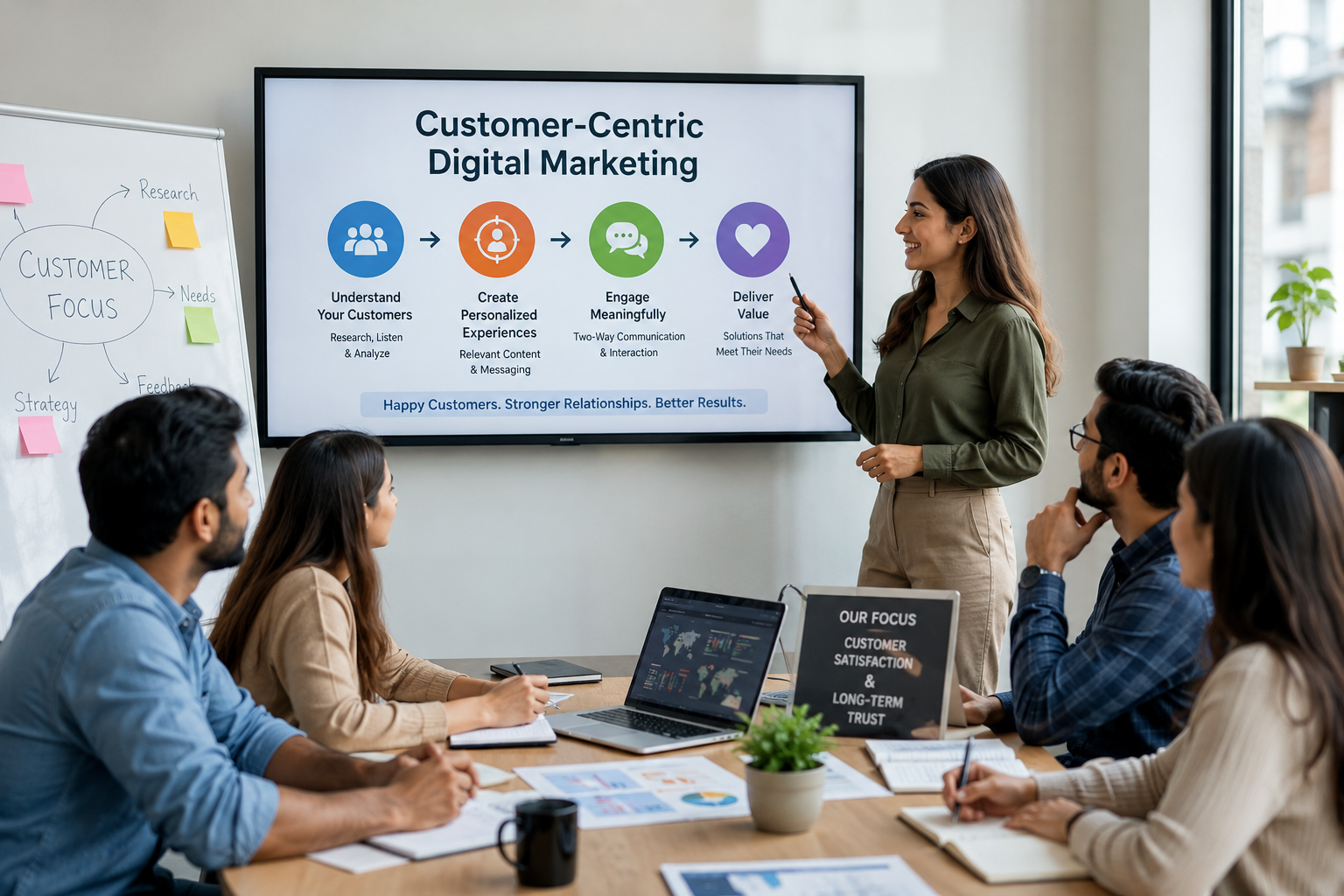
    Modern consumers seek personalized interactions. Data-driven marketing enables brands to customize messages, recommend relevant products, and segment audiences based on interests and behavior. This approach creates deeper engagement and significantly increases the likelihood of conversions.

    Smarter Budget Allocation and Higher ROI

    One of the major advantages of data-driven strategies is the ability to allocate budgets more intelligently. Using performance analytics, brands can immediately identify what works and what doesn’t. This reduces unnecessary spending while amplifying efforts that deliver strong results. In today’s competitive market, precision is key to maximizing ROI.

    Improved Decision-Making with Real Insights

    Data eliminates guesswork. By analyzing real metrics, brands can determine the best content types, posting schedules, channel strategies, and campaign structures. These insights lead to stronger decision-making and more predictable outcomes, helping businesses grow sustainably.

    Real-Time Performance Monitoring

    Unlike traditional marketing methods that required weeks or months to evaluate results, data-driven marketing offers real-time insights. Brands can monitor campaigns instantly, adjust targeting, update creatives, or even halt underperforming ads. This agility allows businesses to stay competitive and respond quickly to market changes.

    Boosting Customer Retention Through Data

    Acquiring new customers can be expensive, so retention is essential. Data helps identify why customers return, when they drop off, and which engagement strategies are most effective. Through analytics, brands can build meaningful loyalty programs, improve user experiences, and re-engage inactive customers.

    Gaining a Competitive Edge

    Brands that leverage data gain significant advantages. They can identify emerging trends earlier, understand shifting customer expectations, and react faster than competitors. This proactive approach helps them stay ahead in an increasingly crowded digital marketplace.

    Integration Across Multiple Marketing Channels

    Customers often interact with brands across multiple touchpoints, including social media, websites, email, and mobile apps. Data-driven strategies unify these interactions, ensuring consistent messaging and seamless customer experiences across platforms. This integrated approach strengthens brand credibility and improves communication.

    Using Predictive Analytics to Prepare for the Future

    Predictive analytics helps brands anticipate future behavior based on historical data. They can forecast buying patterns, identify peak seasons, and understand product demand. This allows brands to prepare more effectively, reduce risk, and capitalize on opportunities before competitors do.

    Creating Stronger Content Strategies

    Not all content performs equally, and data helps determine what resonates best with customers. By studying engagement metrics, brands can refine their content approach—choosing ideal formats, topics, and messaging styles. This leads to higher engagement, more qualified leads, and better overall performance.

    Building Trust Through Relevant Marketing

    Consumers appreciate relevant, valuable communication. When brands use data responsibly to personalize experiences, it strengthens trust and loyalty. Instead of delivering generic advertisements, they can provide meaningful recommendations and tailored solutions.

    The Future of Data-Driven Marketing

    As digital technology continues to advance, data-driven marketing will become even more sophisticated. Tools powered by AI, automation, and machine learning will further enhance a brand’s ability to understand audiences and deliver more personalized experiences. Businesses that adopt these strategies early are more likely to thrive in the evolving digital landscape.

    If you want to learn more, explore professional support, or discuss how data-driven marketing can elevate your brand, feel free to reach out through the Contact Us page.

  • What Common Mistakes Prevent Agencies from Scaling Campaigns

    What Common Mistakes Prevent Agencies from Scaling Campaigns

    Scaling campaigns is one of the biggest challenges marketing teams face. It’s not just about increasing ad spend or reaching more people—it requires strategic planning, strong data insights, efficient processes, and the ability to maintain performance as volume grows. Yet many agencies unknowingly create barriers that prevent their campaigns from scaling effectively. Understanding these mistakes is the first step toward achieving consistent, long-term growth.

    Once these limitations are identified and eliminated, agencies can unlock new opportunities, improve client satisfaction, and enhance overall performance. Whether you’re building systems internally or working with a professional Digital Marketing Agency, avoiding these pitfalls is critical for scaling success.

    Relying Too Heavily on Manual Processes

    A major issue that prevents growth is an overdependence on manual work. Agencies often spend hours collecting data, preparing reports, or adjusting campaigns individually. While manageable with a few clients, these tasks quickly become unsustainable as the agency grows.

    Automation is essential for scale. Using automated reporting tools, pre-built optimization frameworks, and streamlined communication systems helps teams work faster and more accurately. This frees up more time for strategy, testing, and creative thinking—key components of effective scaling.

    Weak Tracking and Poor Attribution Models

    Accurate data is the backbone of any scalable campaign. Without proper tracking systems in place, agencies struggle to understand which platforms, creatives, or audience segments are driving the best results. This lack of clarity makes scaling risky and unpredictable.

    To improve attribution, agencies must ensure all tracking pixels, event setups, and UTMs are implemented correctly. Using a consistent attribution model also helps measure performance more accurately. With correct data, agencies can scale the parts of the campaign that work best and cut what doesn’t.

    Inconsistent or Ineffective Testing

    Testing is essential for optimization, but many agencies either test too little or too much. Not testing enough leads to stagnation, while excessive testing creates confusion and insufficient data for meaningful analysis.

    A balanced testing framework is the key. Agencies should test one major variable at a time, evaluate the results, and refine their approach. Once winning combinations are identified, they can be expanded and used across larger campaigns. This disciplined approach builds a strong foundation for scaling.

    Neglecting Creative Strategy

    As campaigns grow, creative assets become even more important. Many agencies underestimate the role that creativity plays in scaling and focus solely on budgets or targeting. However, without compelling visuals and messaging, performance quickly declines at higher spend levels.

    A scalable creative strategy should include regular content refreshes, variations of top-performing ads, audience-specific messaging, and strong storytelling. This keeps campaigns engaging and ensures that performance remains strong as they expand.

    Scaling Too Quickly Without Stability

    Increasing budgets too fast is a common mistake. Even high-performing campaigns may struggle if spending jumps too dramatically. Rapid increases disrupt optimization, leading to fluctuating results and higher costs.

    A gradual, strategic scaling approach is much more effective. Increasing budgets slowly, monitoring changes, and duplicating winning ad sets allows campaigns to adjust smoothly. Identifying the point where performance begins to decline helps agencies prevent overspending and maintain efficiency.

    Lack of Standard Operating Procedures (SOPs)

    Agencies without structured processes often struggle to scale. Without documented Standard Operating Procedures (SOPs), tasks become inconsistent, team members make assumptions, and the overall workflow becomes inefficient.

    Clear SOPs for campaign launches, reporting, communication, and optimizations ensure consistent results and reduce room for error. When systems are built correctly, teams can handle higher workloads with ease—one of the key requirements for scaling campaigns successfully.

    Poor Client Communication

    Scaling is not just a technical process; it also depends heavily on client relationships. Many agencies fail to communicate the logic behind their strategy, leading to misunderstanding or mistrust. Clients may resist scaling simply because they don’t understand the plan or expected results.

    Frequent updates, simplified reports, and transparent discussions about challenges and progress strengthen these partnerships. When clients feel informed and supported, they are more open to budget increases and long-term scaling strategies.

    Ineffective Audience Targeting

    Audience structure is another area where scaling often breaks down. Targeting too broadly wastes money on uninterested users, while targeting too narrowly limits growth potential. A well-balanced audience strategy is essential for scaling.

    Agencies should maintain a mix of core, retargeting, and lookalike audiences, then expand gradually as performance improves. The more data collected, the more refined and powerful these audiences become—creating a smoother path to scale.

    Not Investing in Team Growth

    A campaign can only scale as far as the team behind it. Without ongoing training and development, teams may fall behind industry best practices or platform changes. This limits creativity, strategic thinking, and optimization capabilities.

    Investing in education, workshops, and specialized roles helps agencies stay competitive. A skilled, adaptable team is essential for managing complex, high-scale campaigns successfully.

    Overlooking Client Experience

    Even with strong campaign performance, poor client experience can restrict growth. Clients who feel confused or unsupported are less likely to increase budgets or continue long-term partnerships.

    Providing a professional, accessible experience—from onboarding to reporting—helps agencies build trust. If clients need assistance or want to discuss scaling strategies, they can easily reach out through the agency’s Contact Us page for support.

    Final Thoughts

    Scaling campaigns requires more than just increasing ad spend. It involves operational structure, strong communication, data-driven decisions, and creative innovation. By avoiding these common mistakes, agencies can create a scalable foundation that supports sustainable growth and long-term client success.